
Foods and Nutrition

Our program offers a close-knit environment with registered dietitian nutritionists teaching upper-division classes. The Foods and Nutrition, B.S. is designed to prepare students for supervised practice leading to eligibility for the Commission on Dietetic Registration (CDR) credentialing exam to become Registered Dietitian Nutritionists (RDN).

student in a kitchen
  • A close-knit environment where you’ll get to know the faculty
  • Personal attention with a low faculty-student ratio
  • Focus on nutrition counseling and medical nutrition therapy

Careers and Internships

Career options for RDNs include:

  • Wellness
  • Disease prevention
  • Medical nutrition therapy settings
  • Additional career paths include:
  • Healthcare
  • Food service
  • Management
  • Public health
  • Food and Nutrition
  • Business and Industry

Learn more about the career outlook for Nutrition and Dietetics.

Opportunities for Foods and Nutrition Students at Radford

Students are encouraged to participate in the Nutrition and Dietetics student organization, SAND.

Accreditation

The Nutrition and Dietetics concentration within the Foods and Nutrition, B.S. program is an undergraduate degree program accredited by the Accreditation Council for Education in Nutrition and Dietetics (ACEND), the accrediting body for the Academy of Nutrition and Dietetics. 
120 South Riverside Plaza, Suite 2190 Chicago, Illinois 60606-6995
Phone: 800-877-1600 ext 5400

Program Mission and Goals

Mission Statement 
The mission of Radford University’s Nutrition and Dietetics Program extends the missions of the University, College and Department by preparing professionals to serve the public through the promotion of optimal nutrition, health and well-being. The Nutrition and Dietetics Program is designed to prepare students for supervised practice leading to eligibility for the Commission on Dietetic Registration (CDR) credentialing exam to become Registered Dietitian Nutritionists (RDN). 

Program Goals
The goals and objectives for the Didactic Program in Dietetics at Radford University are as follows: 

  • Goal 1: The DPD will attract and prepare graduates who will become competent entry-level nutrition and dietetics practitioners. 
    • Objective 1.1: At least 80% of students complete program requirements within 3 years (150% of planned program length).
    • Objective 1.2: At least 50% of program graduates apply for admission to a supervised practice program prior to or within 12 months of graduation.
    • Objective 1.3: Of program graduates who apply to a supervised practice program, at least 85 percent are admitted within 12 months of graduation.
    • Objective 1.4: The program’s one-year pass rate (graduates who pass the registration exam within one year of first attempt) on the CDR credentialing exam for dietitian nutritionists is at least 80%.
    • Objective 1.5: At least 80% of supervised practice program directors will indicate that overall graduates were “adequately prepared” or “well prepared” for their programs. 
  • Goal 2: The DPD will prepare graduates with a solid foundation for advanced studies.
    • Objective 2.1: At least 80% of graduates who enter a supervised practice program within 12 months of graduation will indicate that overall, they were “adequately prepared” or “well prepared” for their programs.
    • Objective 2.2: At least 80% of graduates who apply to advanced studies within 12 months of graduation will be accepted.
    • Objective 2.3: At least 80% of graduates who entered advanced study programs within 12 months of graduation indicated that overall they were “adequately prepared” or “well prepared” for their programs. 

The DPD program outcomes data are available upon request. 

Steps to Becoming a Registered Dietitian Nutritionist (RDN)

After completing the Nutrition and Dietetics concentration within the Foods & Nutrition Program, students pursuing the RDN credential must complete a graduate degree, an ACEND-accredited supervised practice program (which may be independent or combined with a graduate degree), and then pass the Commission on Dietetic Registration (CDR) registered dietitian nutrition credentialing exam. RDN’s must establish licensure as an RDN if required in locality of practice. RDN licensure does not exist in Virginia. For more information on the educational process to become an RDN, visit CDR RD Eligibility Requirements.

As a Didactic Program in Dietetics, students completing the Nutrition and Dietetics concentration within the Foods & Nutrition Program are eligible to take the national CDR Dietetic Technician, Registered (DTR) examination upon graduation. 

Application, Admission and Curriculum

Admission into the Nutrition and Dietetics concentration of the Foods & Nutrition program is selective. Students must complete prerequisites and submit an application to enter the professional sequence, which typically begins in the junior year.

Application Process
Students must formally apply and be admitted to the program before beginning the professional sequences of courses in the junior year. The application process and admission criteria are outlined in the program handbook, linked below.

Courses and Curriculum
The Foods and Nutrition, B.S. program is an undergraduate degree program. The degree requirements and course descriptions are outlined in the course catalog. 

Students with prior learning experiences may be eligible for course credit. The procedures used to assess prior learning are outlined in the program handbook, linked below.

A comprehensive list of program policies and procedures is outlined in the Foods and Nutrition Program Handbook [PDF].

Tuition and Fees

Program Cost
Estimated expenses for a full-time undergraduate student for the academic year are published on the Bursar’s Tuition and Fees website. 

Additional costs for the Foods & Nutrition program may include:

  • Textbooks & other required course materials
  • Student membership in the Academy of Nutrition and Dietetics
  • Lab/chef coat
  • ServSafe Certification
  • Food Processor software

Financial Aid
Information regarding financial aid, loan deferments, scholarships, and other financial support is available on the Radford University Financial Aid website. 

The Mary Kathrn Phipps Brewer Memorial Scholarship is available specifically for students who have declared a major in Foods and Nutrition or who are pursuing a career in Nutrition, Dietetics, or a related discipline. Students may apply through Radford University’s Donor-Funded Scholarship Application Portal.

Academic Calendar

The Foods and Nutrition program follows the University’s Academic Calendar. It is available on the Office of the Registrar’s website. 

The depth of undergraduate coursework in medical nutrition therapy and nutrition counseling is unique. Our program includes required field experience to strengthen preparation for graduate-level supervised practice and expose students to viable career paths and potential employers.
“One of the best aspects of the Foods and Nutrition program is the one-on-one interactions I have with my classmates. My academic experience has created quality bonds with my professors, too. I really get to know them and see how passionate they are about the field of dietetics and it shows in how they present information in my courses.”

Megan Jordon
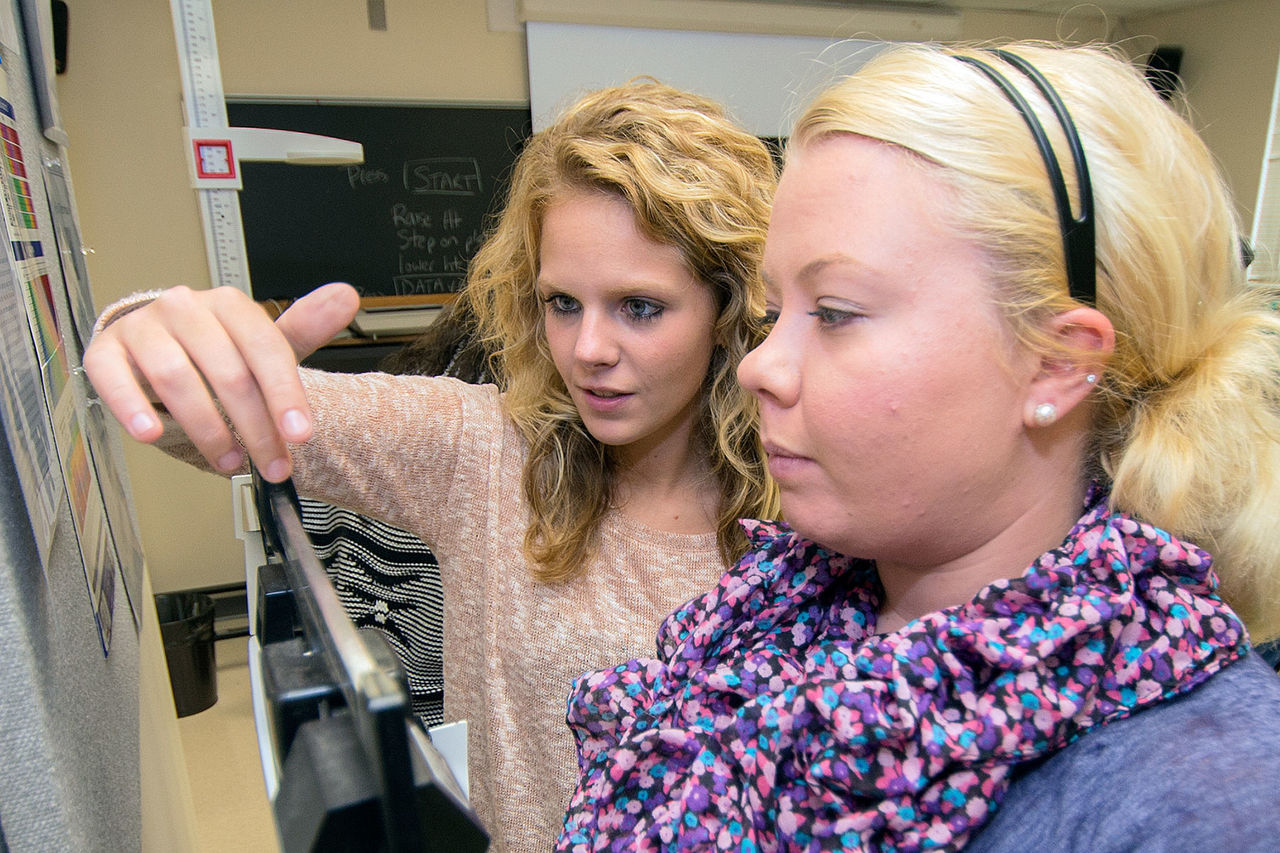
image of student

We want to get to know you better and we are excited that you are ready to take your next step and learn more about us. We are here to help you and look forward to working with you during your college search process.